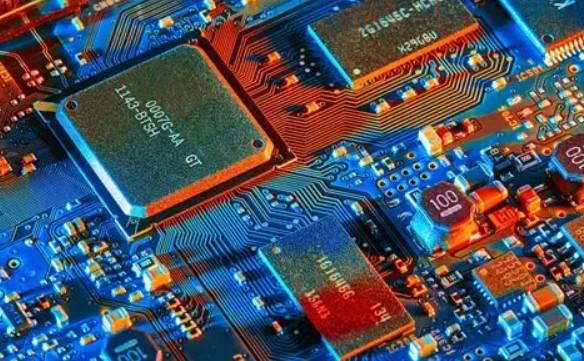
The National 5 Practical Electronics course offers a comprehensive introduction to electronics, focusing on practical skills, circuit design, and problem-solving, preparing students for further study or careers in related fields
Course structure and content
The National 5 Practical Electronics course is designed to provide students with a solid foundation in
electronics, covering key concepts and practical skills. The course includes the following areas of study
Circuit Design: Students learn to analyze electronic problems and design solutions, gaining an understanding of key electrical concepts and components
Circuit Simulation: This area involves using simulation software to assist in the design, construction, and testing of circuits, allowing students to investigate their behavior in a virtual environment
Circuit Construction: Students gain hands-on experience in assembling various electronic circuits, using both permanent and non-permanent methods. This includes practical wiring and assembly techniques, as well as testing and evaluating functionality
Skills Developed
Throughout the course, students will develop a range of skills, including:
Design skills for creating effective electronic solutions Analysis and problem-solving in electronics
Safe use of tools and equipment in practical tasks
Evaluation of products and systems
Assessment Methods
The assessment for the National 5 Practical Electronics course consists of two main components
Question Paper: This accounts for 30% of the total assessment mark and includes both short and extended response questions, externally marked by the SQA.
Practical Activity: This component also makes up 70% of the total assessment mark, where students solve a practical problem using their electronic knowledge and skills. This activity is internally marked and quality assured by the SQA
Career and Further Opportunities
Completing the National 5 Practical Electronics course provides a valuable foundation for students considering further study in electronics, electrical engineering, or related disciplines. It also opens up various career opportunities in sectors such as telecommunications, renewable energy, and manufacturing, where skills in electronics are essential.